When most people think about brain health and aging, they think about memory. But brain health is much broader than that. It includes how quickly we process information, how well we make decisions, how we regulate emotions, and even how we move and function in daily life.
As these areas begin to change, the impact isn’t just cognitive—it’s practical. It affects independence, safety, and quality of life. That’s why brain health has become one of the most important conversations in aging today.
Why Brain Health Declines With Age (and Why It Matters)
The scale of cognitive decline is significant and growing. Roughly 10,000 adults turn 65 every day in the United States, and more than 16 million Americans are currently living with some form of cognitive impairment.
According to the World Health Organization, brain health is a multidimensional concept that includes cognitive, emotional, and functional abilities, not just memory. At the same time, the Centers for Disease Control and Prevention (CDC) suggests that up to 45% of dementia cases may be influenced by lifestyle-related factors.
That doesn’t mean cognitive decline can be eliminated, but it does suggest something important: There is a window where interventions can make a meaningful difference. And increasingly, exercise, particularly strength training, is part of that conversation.
Common Cognitive Changes in Older Adults
Some level of cognitive change is expected with age. Processing speed slows. Executive function—things like planning and decision-making—becomes more difficult. Brain structures like the hippocampus gradually lose volume over time.
These changes don’t stay isolated to the brain. They show up in everyday life. For many older adults, this might look like:
- Difficulty managing medications
- Increased fall risk
- Challenges with driving or navigating conversations
Ultimately, it all points to one outcome that matters most: maintaining independence. For many older adults, the goal isn’t aesthetics; it’s being able to live life on their own terms.
How Strength Supports Training Brain Health in Older Adults
For years, strength training has been associated with physical benefits: improving muscle strength, balance, and mobility. But research is increasingly showing something more.
Resistance training appears to support cognitive function, particularly in areas like executive function and overall cognition. It’s not about reversing aging. It’s about influencing the trajectory. Strength training can help slow decline and preserve independence over time.

How Exercise Improves Brain Function & Cognitive Health
One of the most compelling aspects of this research is how exercise works inside the body. Strength training doesn’t just build muscle; it activates biological processes that support the brain.
Below are some examples of what exercise can do and why exercise is consistently associated with better cognitive outcomes:
- Increases compounds like BDNF, often described as “fertilizer for the brain,” which support neuron growth and connectivity
- Improves blood flow, delivering oxygen and nutrients critical for cognitive function
- Helps regulate inflammation, which is linked to neurodegeneration
- Improves metabolic health, supporting how the brain uses glucose
Why Exercise Intensity Matters for Brain Health
One of the clearest takeaways from the research is that intensity matters. Moderate to high intensity resistance training consistently shows stronger cognitive effects compared to very light training.
What does “moderate to high intensity” mean? For most older adults, this means working at a level that feels challenging—around a 7–8 out of 10 in perceived effort.
This is where a major disconnect often occurs. Many older adults are guided toward very light resistance, often out of caution. While safety is critical, training that is too easy may not provide the stimulus needed to drive meaningful physiological and cognitive change.
So while someone may be “doing strength training,” they may not be doing it at a level that produces real benefit.
Why Progressive Strength Training is Critical for Cognitive Benefits
Just as important as intensity is progression over time. Strength training is most effective when it leads to adaptation—when the body is challenged to improve.
One of the most important insights from this research is simple but powerful: If someone isn’t getting stronger, the stimulus may not be sufficient to impact the brain.
Emerging evidence suggests that strength gains themselves may be linked to cognitive improvements. This means strength training must include:
- Gradual increases in resistance
- Measurable progress
- Ongoing adaptation
Without progression, the benefits plateau, both physically and cognitively.
Why Many Older Adults Don’t Get the Brain Health Benefits of Exercise
If the science is this clear, why aren’t more older adults experiencing these results? The issue is not just motivation; it’s access and experience.
Common barriers include:
- Equipment that feels intimidating or difficult to use
- Starting resistance that is too high for beginners
- Large jumps in weight that make progression unrealistic
- Lack of feedback or tracking, making progress unclear
- Programs that are too complex to follow consistently
As a result, many people either avoid strength training or never reach the level needed to see results.
Why The Right Strength Training Equipment Matters for Older Adults
This is where the conversation becomes practical. If strength training is going to support brain health, the environment has to make it possible.
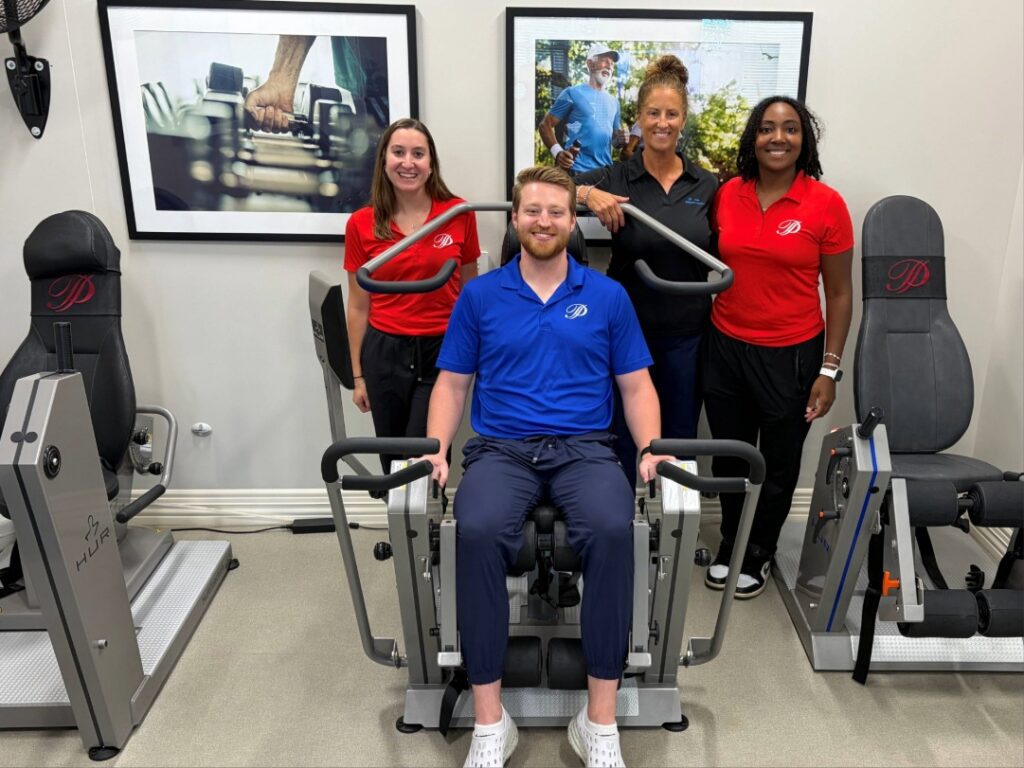
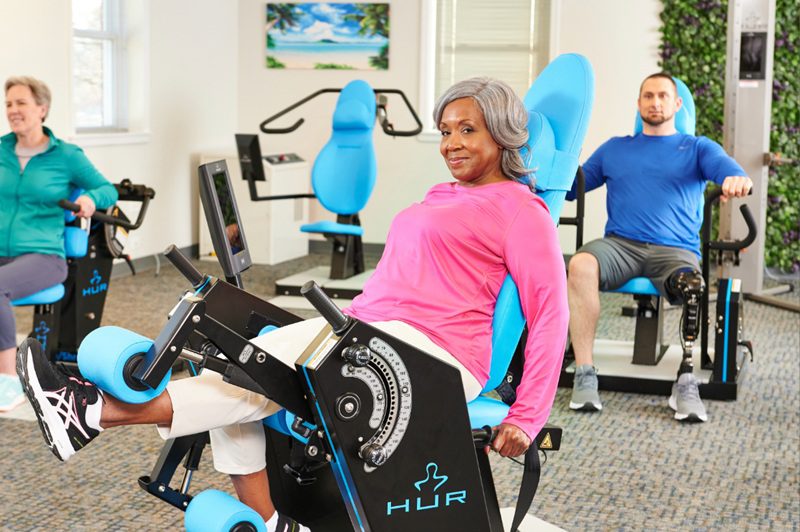
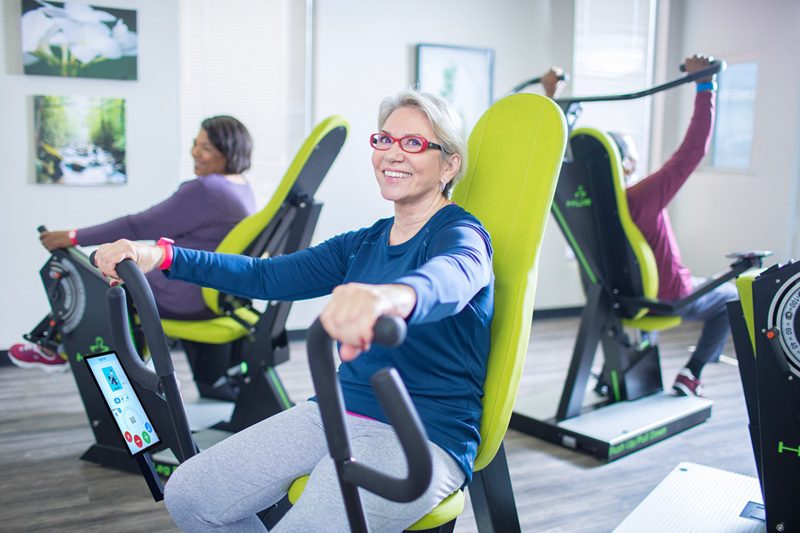
Facilities that prioritize strength training solutions for older adults are better positioned to help individuals train safely and progressively. The right equipment makes a difference by:
- Allowing for low, safe starting resistance
- Enabling small, gradual increases in load over time
- Reducing complexity so users can focus on effort
- Providing feedback that supports motivation and adherence
You can also explore how pneumatic resistance equipment designed for active aging helps remove many of the barriers that prevent older adults from training effectively. When these elements are in place, people are far more likely to:
- Stick with their program
- Train at an appropriate intensity
- Progress over time
And that’s when the benefits begin to compound—not just for strength, but for cognitive health as well.
When Consistency in Strength Training is Key for Brain Health
Another key insight from the research is that results take time. Early neurological improvements can begin within weeks, but meaningful cognitive and structural changes occur over months of consistent training.
Consistency, not occasional effort, is what drives outcomes. And consistency depends on:
- Simplicity
- Confidence
- Measurable progress
When strength training is accessible and structured correctly, consistency becomes much more achievable.
Key Takeaways: Strength Training and Brain Health
The connection between strength training and brain health is becoming clearer.
We know that cognitive decline is a common part of aging, but we also know that it may be influenced by lifestyle choices.
Strength training helps because it:
- Supports physical function
- Contributes to cognitive health
- Helps preserve independence
But perhaps the most important takeaway is that the benefits of strength training only exist if people are able to do it consistently, safely, and progressively.
Continue Learning About Strength Training & Brain Health
Understanding that strength training may support brain health is only the beginning. But what is actually happening inside the body that creates these cognitive benefits? In the next article, we explore the science behind neuroplasticity, BDNF, IGF-1, and the muscle-brain connection.
Read: How Strength Training Affects the Brain
FAQ: Strength Training and Brain Health in Older Adults
Can strength training improve brain health?
Research suggests resistance training can support cognitive function, particularly in areas like executive function and overall cognition. It can help slow the decline rather than reverse it.
How often should older adults strength train?
Most guidelines suggest 2–3 times per week. However, consistency and progression are just as important as frequency.
Is walking enough for brain health?
Walking and aerobic exercise provide strong benefits, especially for blood flow and brain volume. However, resistance training offers additional benefits through different biological pathways.
What intensity is needed to see results?
Moderate to high intensity, typically a 7–8 out of 10 effort, appears to produce stronger cognitive effects than very light exercise.
Why don’t more people get these benefits?
Many older adults face barriers such as unsafe or confusing equipment, lack of progression, or inconsistent programs, which prevent them from reaching the level of training needed for results.